
UK Genetics: The Foundation of Modern Livestock Farming
The world is undergoing a period of rapid change. Population growth, evolving dietary preferences and the increasing impact of climate variability are putting unprecedented pressure on global food systems. There is an urgent need for production methods that are not only more efficient but also environmentally sustainable and socially responsible.
A Global Challenge, A UK Opportunity
To meet these complex challenges, the United Kingdom offers a compelling proposition. With a longstanding tradition of agricultural innovation and excellence, the UK is home to a highly advanced livestock genetics sector that plays a role in transforming food production globally.
The UK combines:
- World-renowned scientific expertise, with leading research institutions, universities, and centres of excellence in animal genetics and agricultural innovation.
- A progressive, commercially focused farming industry, where innovation is embraced and new genetic technologies are applied to real-world farming systems.
- A dynamic business environment, supported by favourable policies such as Intellectual Property (IP) protections, the Patent Box, and clearly defined standards and measurement frameworks.
This unique blend of science, innovation, and policy creates a robust platform for global collaboration and growth.
Why UK Livestock Genetics?
The UK’s livestock and genetics sector is globally recognised for being:
Scientifically Progressive
The UK leads in the application of cutting-edge technologies such as genomic selection, advanced reproductive techniques, and data-driven breeding programmes. Research institutions and breeding companies collaborate closely to accelerate the development and deployment of new genetic tools that improve productivity, health, and resilience in farm animals.
Technologically Advanced
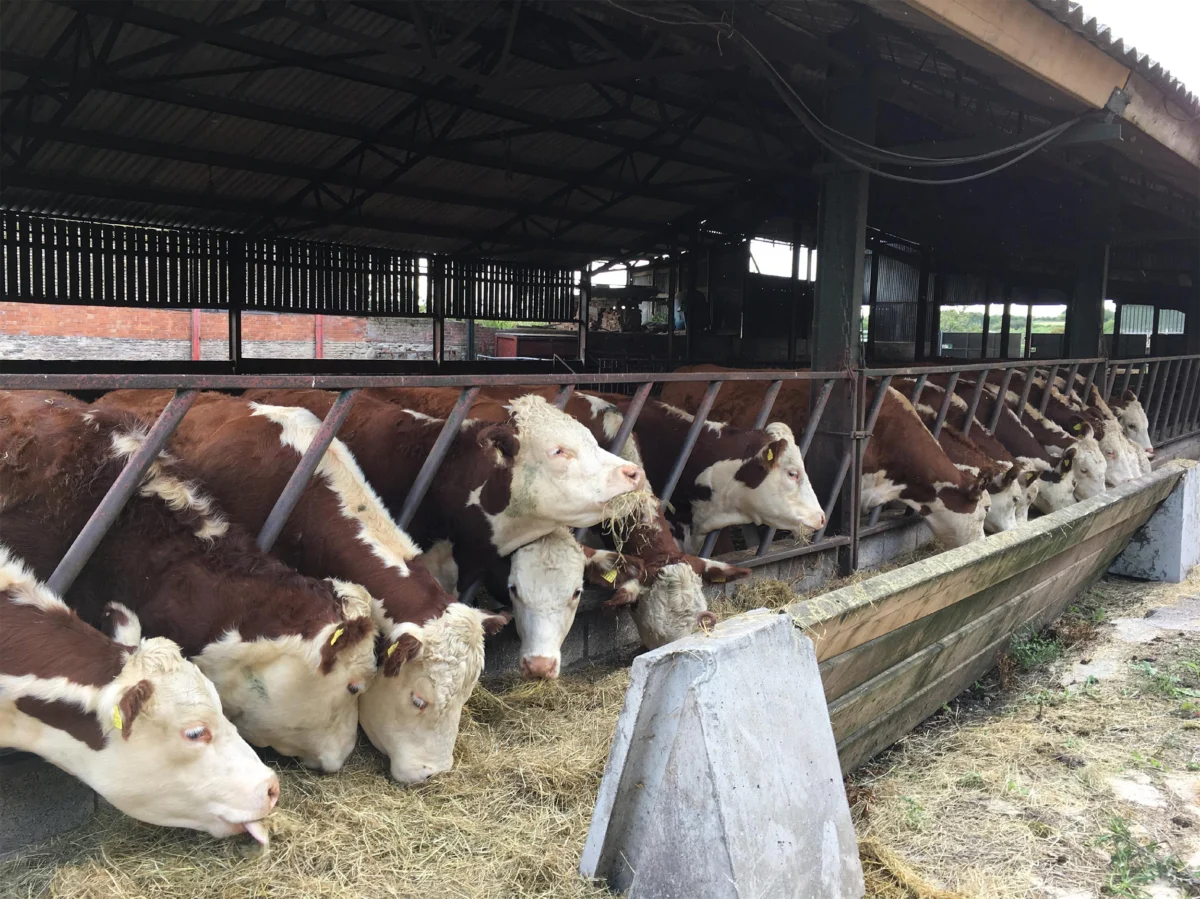
The UK is home to some of the world’s most respected and successful breeding companies across all major livestock species—pigs, cattle, sheep, and poultry. These organisations are at the forefront of integrating genetics with modern technologies such as precision farming, performance monitoring, and sustainable feed systems.
Environmentally Responsible
UK breeding programmes prioritise sustainability by focusing on feed efficiency, disease resistance, fertility, and adaptability—traits that reduce emissions, waste, and resource use. This aligns with the Royal Society’s concept of “sustainable intensification”: increasing food production without expanding land use or harming the environment.
Protecting and Promoting Biodiversity
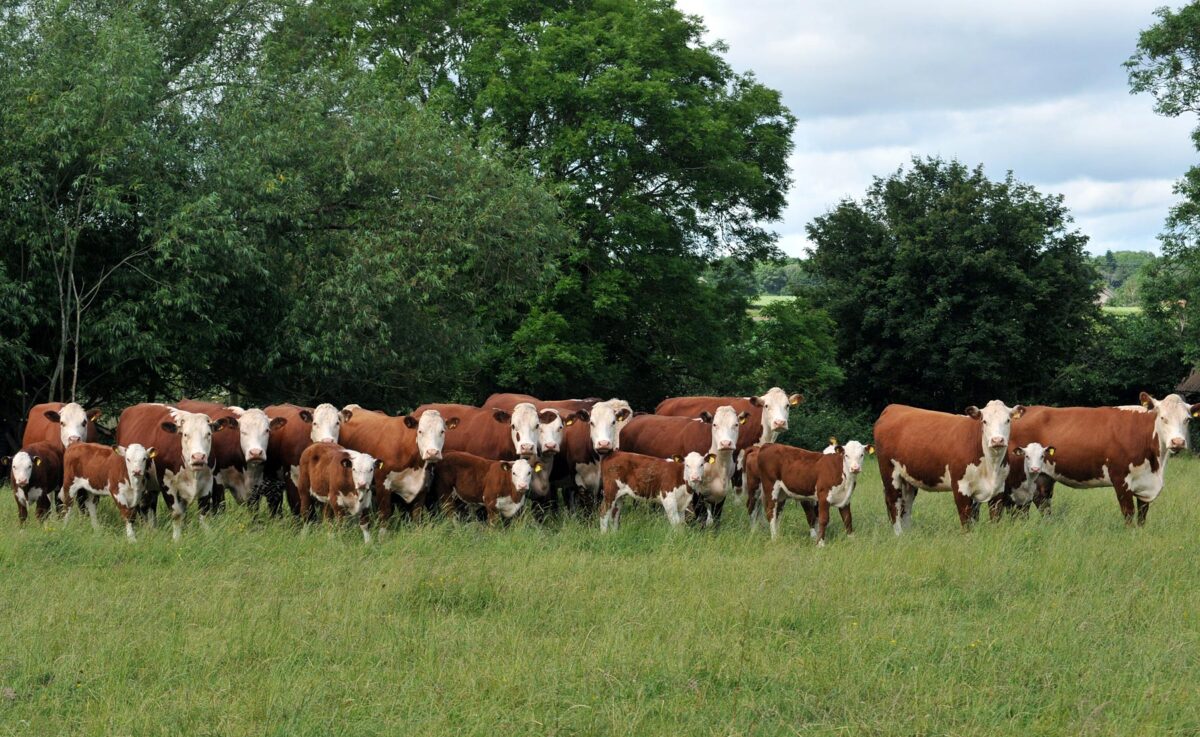
The UK is also committed to genetic conservation. With over 235 native livestock breeds documented in the UK Country Report on Farm Animal Genetic Resources (2012), it maintains one of the world’s most diverse inventories of farm animal genetic resources. This genetic diversity is essential for long-term resilience in global food systems and provides a foundation for future breeding innovation.
Proven Global Impact
Since the turn of the 21st century, the UK livestock genetics industry has achieved significant advances in animal health, welfare, and performance. These innovations are now helping to shape sustainable agricultural systems around the world.
As global ambassadors for UK livestock and genetics, Chris Jackson and veterinary surgeon Dr Rob Grinnall, work tirelessly to promote UK capabilities abroad. They adopt a soft-sell approach, focusing first on developing trusted relationships and opening new markets. These early partnerships often evolve into broader opportunities encompassing:
- Livestock genetics
- Farming equipment and infrastructure
- Veterinary and technical services
- Agricultural software and digital solutions
Even small gains in genetic performance can unlock large-scale benefits for exporting farmers, suppliers, and food systems alike.
Delivering Shared Value
Our international work focuses on delivering practical outcomes in collaboration with partners in target markets. The goals are clear:
- Higher productivity and profitability for farmers
- Better animal welfare outcomes
- Enhanced biodiversity and stewardship of natural resources
- Lower greenhouse gas emissions through increased efficiency
By integrating livestock genetics with a broader suite of agricultural products and services, we create solutions that are commercially viable, environmentally sound, and socially beneficial.
Creating Long-Term Partnerships
We actively seek collaborative partners to help deliver livestock genetics projects with long-term benefits for both the UK and importing countries.
We achieve this through:
Tailored Networking Events
We organise events that bring together industry, policymakers, government representatives, and farmers, ensuring that the right conversations happen between the right people.
Inward and Outward Trade Missions
Our trade missions are designed to be cost-effective and high-impact. Outward missions in particular allow a single UKTAG representative to engage across multiple sectors—covering different species such as ovine, bovine, and porcine, and engaging with stakeholders in related fields such as animal nutrition, equipment manufacturing, and agricultural IT.
These missions are not just about selling products—they’re about building enduring relationships, exchanging knowledge, and fostering innovation on both sides.
Looking Ahead
The UK’s livestock and genetics industry is more than a national asset, it is a global resource. With the right partners, we believe we can bring the UK’s expertise to the world in ways that meet today’s most urgent agricultural challenges and lay the groundwork for a more secure, sustainable, and prosperous food future.
We welcome all who share this vision to join us in building a more productive and responsible global livestock sector.
Contact
Chris Jackson, Director UKTAG
Email: exports@uktag.co.uk | Telephone: +44 780186069